Efficiency is everything in transportation and logistics. Whether you're a shipper, carrier, broker or 3PL, managing the movement of goods can be complex. That's where a transportation management system (TMS) comes in. A TMS is a software solution designed to help businesses optimize their transportation operations, from planning and execution to tracking and analysis.
When it comes to choosing a TMS platform, one of the first decisions you'll face is whether to go with an on-premise or a cloud-based solution. Both options have their own set of benefits and drawbacks, and the right choice for your business will depend on your specific needs and priorities.
In this blog post, we'll break down the key differences between on-premise and cloud-based TMS solutions. We'll explore their features, benefits and potential drawbacks to help you make an informed decision and choose the best transportation management system for your business.
What is an On-Premise TMS Solution?
On-premise TMS solutions are installed and run on a company's owned hardware infrastructure, and are hosted locally. This means the company's IT team is responsible for managing the system, including installation, maintenance, updates and security.
Here are some of the benefits and capabilities of an on-premise TMS:
- Control:On-premise TMS solutions offer a high degree of control over the system and its data. Companies have the ability to customize the software to their specific requirements and integrate it with other existing systems.
- Customization:Because the software is hosted on-site, businesses have greater flexibility to customize it to their unique workflows and processes.
However, there are also some potential drawbacks to consider:
- Cost:On-premise TMS solutions typically involve significant upfront costs for hardware, software licenses and implementation. There are also ongoing costs for IT support and maintenance.
- Maintenance:The company's IT staff is responsible for all maintenance, updates, and troubleshooting, which can be time-consuming and resource-intensive.
What is a Cloud-Based TMS Solution?
In contrast, cloud-based TMS solutions, sometimes referred to as hosted transportation management systems, are stored and managed on the technology provider's servers and accessed through a web browser or other interface. This means the vendor is responsible for managing the system, including hardware, software and infrastructure. Cloud-based solutions, such as Trimble TMW.Suite TMS and Trimble TruckMate TMS, are often delivered as Software as a Service (SaaS).
Here are some of the benefits and capabilities of cloud-based transportation management software:
- Enhanced security:Cloud providers invest heavily in security measures to protect data and ensure uptime. This often includes robust data encryption, redundancy and disaster recovery protocols, providing greater security than many companies could achieve on their own.
- Increased reliability and uptime:Cloud providers ensure high availability and uptime through redundant servers and infrastructure.
- Accessibility:Cloud-based transportation management software can be accessed from anywhere with an internet connection, providing greater flexibility and collaboration.
- Scalability:Cloud solutions are easily scalable, allowing businesses to adjust their resources as needed. This is especially beneficial for companies experiencing growth or seasonal fluctuations.
- Cost-effectiveness:Cloud-based TMS solutions typically have lower upfront costs compared to on-premise solutions, as there is no need to invest in hardware or software licenses. Subscription-based models allow for predictable budgeting.
- Maintenance:The vendor handles all maintenance, updates and security, freeing up the company's IT resources.
- Data sharing:Cloud-based systems make it easier to share data and collaborate with partners, suppliers and customers.
While cloud-based TMS software offer many advantages, it's important to consider potential drawbacks:
- Customization:Cloud solutions may offer less customization compared to on-premise systems, as they are often designed to be more standardized. However, many cloud TMS providers, including Trimble, offer configurable options to meet specific business needs.
- Perceived security concerns:Some companies may have concerns about data security in the cloud. However, reputable cloud providers invest heavily in advanced security measures to protect data.
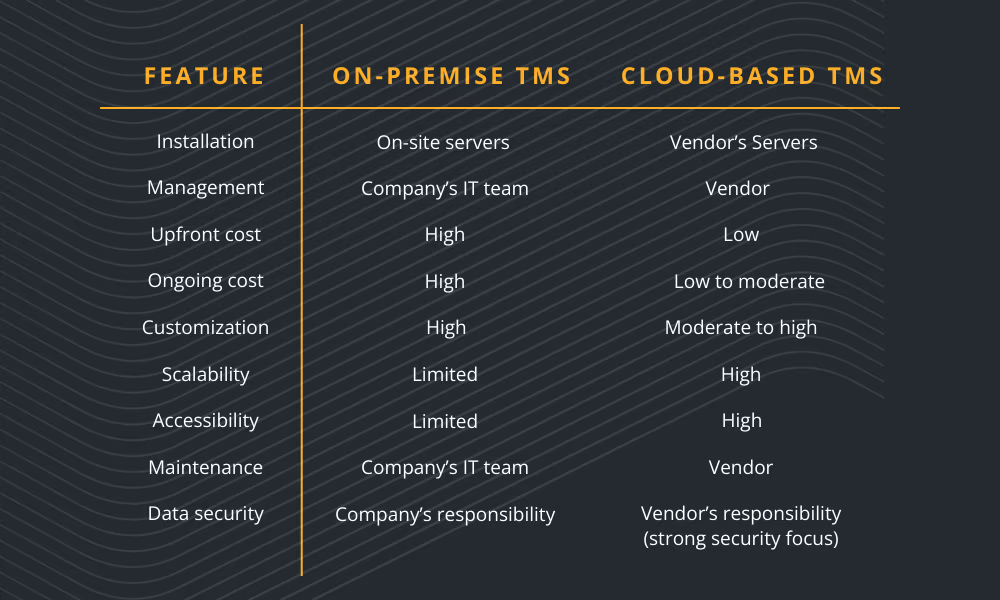
On-premise vs. cloud-based TMS: key differences
Here's a quick summary of the key differences between on-premise and cloud-based transportation management software: